

A home should reflect the people who live in it. The way you move through a room, where you gather with family, and what helps you unwind all influence how your space should look and function. A thoughtful interior makes these everyday experiences feel more comfortable, natural, and personal.
That is where residential interior design comes in. An interior designer considers how a home looks, feels, and works as a whole. The process involves creative decisions, practical planning, and a clear understanding of the homeowner’s needs.
Whether you are updating a single room, planning a major renovation, or furnishing a new property, an interior designer for home can help you bring your ideas together into a cohesive space.
What Does a Residential Interior Designer Do?
A residential interior designer plans and shapes the interior spaces of a home to support the homeowner’s lifestyle, preferences, and practical needs. Their responsibilities can include:
- Understanding the homeowner’s lifestyle, preferences, and priorities.
- Developing a functional layout and furniture plan.
- Creating a cohesive interior color palette.
- Recommending flooring, tile, cabinetry, countertops, and other finishes.
- Planning residential lighting design for different activities and moods.
- Selecting furniture, window treatments, wallpaper, artwork, and accessories.
- Coordinating renovation details with contractors and other professionals.
- Styling the finished space and refining the smaller details.
What Is Included in Residential Interior Design Services?
The scope of residential interior design services varies according to the property, the homeowner’s goals, and the level of support required. Some projects focus on furnishings and finishes, while others involve architectural changes, construction coordination, and a complete redesign of the interior.
1. Space Planning and Furniture Layouts
A room can look beautiful in a photograph and still feel awkward to live in. Space planning considers circulation, proportions, furniture placement, storage, and how people use the room throughout the day.
Professional home space planning services in Phoenix, AZ, can be particularly helpful when working with an existing floor plan, an open-concept home, or rooms that need to serve multiple purposes. A designer considers clear walkways, seating arrangements, sightlines, and the relationship between adjoining spaces before finalizing the layout.
2. Color, Materials, and Finishes
Color and material selections establish much of a home’s atmosphere. A carefully developed interior color palette might combine warm neutrals, natural wood, textured fabrics, and a few stronger accents. The right combination depends on the home’s architecture, available light, existing finishes, and the homeowner’s taste.
Designers also consider how materials work together. Wood tones, stone, metal, upholstery, tile, and wallpaper can create depth when their textures and undertones complement one another.
3. Lighting Design
Good lighting changes how a room functions and feels. Residential lighting design considers natural daylight, ambient illumination, task lighting, and accent lighting to create an appropriate balance.
In a kitchen, that may mean combining overhead lighting with focused illumination over countertops. In a living room, layered lighting can support conversation, reading, entertaining, and quieter evenings. Bedrooms often benefit from softer lighting options that create a more restful atmosphere.
Kitchen Interior Design and Bathroom Interior Design
Kitchens and bathrooms require particular attention because they combine daily use with plumbing, electrical, storage, and material considerations. Decisions made early in these spaces can affect both their appearance and long-term practicality.
Kitchen Interior Design
Kitchen interior design brings together workflow, storage, lighting, finishes, and the way the kitchen connects to the rest of the home. A designer may review the placement of appliances, countertop space, cabinetry, hardware, backsplash materials, and seating arrangements.
The best choices depend on how the household uses the kitchen. Someone who cooks frequently may prioritize preparation space and accessible storage, while a household that regularly entertains may need an island that encourages people to gather without interrupting the cooking area.
Bathroom Interior Design
Bathroom interior design balances comfort, durability, maintenance, and visual appeal. Designers help evaluate tile, vanity configurations, mirrors, fixtures, shower layouts, storage, and lighting while considering the practical requirements of a wet environment.
For example, a primary bathroom might call for a spacious shower, layered lighting, and natural-looking materials that create a calm atmosphere. A smaller guest bathroom may benefit from compact storage, a well-proportioned vanity, and finishes that make the space feel open.
Understanding the Residential Interior Design Process
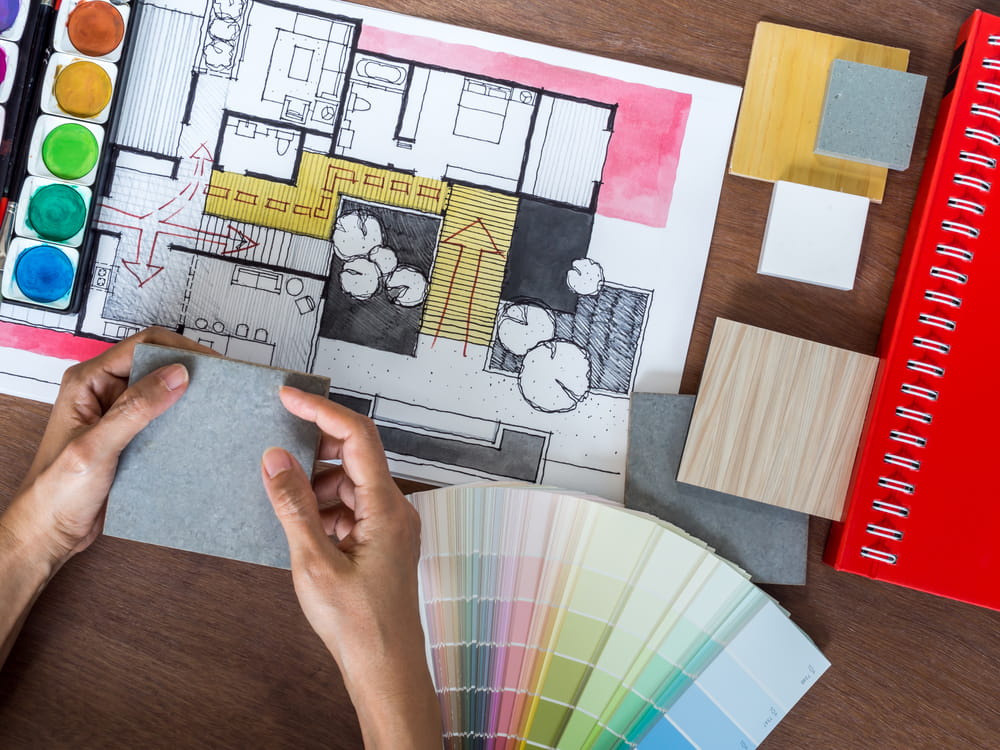
A clear residential interior design process helps homeowners understand what happens at each stage and how individual decisions contribute to the finished space. Although every studio has its own approach, most projects follow a few broad steps.
1. Discovery and Consultation
The designer learns about your household, routines, aesthetic preferences, budget, and project priorities. You may discuss inspiration images, existing furniture, problem areas, and what you hope to change.
2. Planning and Concept Development
The designer develops the overall direction, including layouts, colors, materials, and key design elements. This stage helps establish how the different rooms will relate to one another before major purchases or construction begin.
3. Selections and Specifications
Furniture, lighting, finishes, fixtures, and other elements are evaluated and selected. The designer considers dimensions, availability, durability, cost, and how each choice fits the larger concept.
4. Renovation Coordination and Implementation
If construction is involved, the designer may coordinate design details with contractors and other project professionals. Responsibilities vary by agreement, so homeowners should clarify who handles scheduling, purchasing, site supervision, and construction management.
5. Installation and Final Styling
Furniture, window treatments, artwork, and accessories come together. The designer refines placement and composition so the finished home feels balanced, considered, and ready to live in.
How Much Does Residential Interior Design Cost?
Residential interior design cost depends on the size and complexity of the project, the services included, the designer’s fee structure, and the products or materials selected. A consultation or furnishing plan will generally involve a different commitment from a full-home renovation.
Designers may charge hourly fees, flat project fees, or other agreed pricing structures. Furniture, lighting, window treatments, construction, delivery, installation, and purchasing services may be billed separately or included in a defined project budget.
Before hiring custom residential interior design services in Phoenix, ask for a clear outline of the scope, fees, payment schedule, purchasing arrangements, and any additional expenses. It is also useful to discuss a realistic budget early so recommendations reflect your financial priorities.
Can You Find an Affordable Interior Designer in Phoenix?
An affordable interior designer in Phoenix should help you make informed choices within your budget, not simply encourage you to spend less on every item. Affordability depends on the scope of work and how thoughtfully the available funds are allocated.
You might prioritize a kitchen layout, invest in durable flooring, or focus on furnishing the rooms you use most often before addressing secondary spaces. Keeping existing elements that still work can also free up money for improvements that make a greater difference.
If you are comparing a residential interior design company with independent designers, look beyond the initial fee. Consider the services provided, experience, communication, purchasing arrangements, and the clarity of the proposed budget.
Residential Interior Design Ideas for Small Homes and Limited Budgets
Interior design ideas for small homes do not have to involve expensive furniture or extensive renovations. Often, the most effective improvements come from better planning, thoughtful editing, and making each element earn its place.
Consider these practical starting points:
- Choose appropriately scaled furniture
- Use vertical space
- Create a consistent palette.
- Layer your lighting
- Reduce visual clutter
- Reuse what you can
Personalized home design solutions begin with the people who live in the space. A home office, a play area, a dedicated reading corner, or extra storage may matter more to one household than a formal dining room or decorative feature wall.
Choosing personalized interior design based on your lifestyle needs also means recognizing that needs change. A flexible layout, adaptable furniture, and durable finishes can help a home remain useful as routines and priorities evolve.
What Are the Benefits of Residential Interior Design?
The benefits of residential interior design and luxury residential interior design services include:
- Better use of available space and storage.
- More considered lighting and material choices.
- A cohesive look across connected rooms.
- Fewer conflicting purchases and design decisions.
- Support with renovation details and communication.
- A home that reflects personal taste without sacrificing comfort.
Create a Home That Feels Like Yours
A thoughtfully designed home begins with understanding how you want to live. From furniture placement and lighting to kitchen renovations and carefully chosen finishes, every decision contributes to the experience of the space.
C.C. Burling Design brings a considered, layered approach to residential interiors across Phoenix, Paradise Valley, Arcadia, North Central Phoenix, and Scottsdale. With an emphasis on natural materials, curated furnishings, custom details, and lasting appeal, we create interiors that feel refined yet welcoming.

